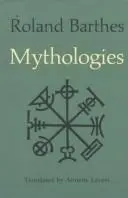
Mythologies
Short essays on wrestling, steak-frites, the face of Garbo, the Citroen DS. Barthes showed that semiotics could be deployed as pleasure, that critical analysis could be funny and precise. The template for every cultural-criticism essay written since.
Half these fifty-three pieces need footnotes now: the child prodigy poet, the Poujadist rally, a priest turned national saint, all specific to 1950s France and gone from anyone’s memory but a historian’s. One reader admits “I don’t get all that much out of reading these Frenchies anymore” and another says the book “failed to deliver the cognitive revolution it promised,” since spotting hidden meaning in ads and movies is now standard newsroom practice, not radical theory. A third reader puts it flatly: “Barthes doesn’t present much here that Vox couldn’t.” Then comes “Myth Today,” the closing essay, fifty pages of Marxist and Freudian machinery bolted onto the short pieces, denser and less fun than anything before it. Skip past the period references you don’t recognize and the theory chapter can still feel, as one reader put it, “too precious, too quaint” for a 2020s reader.
The case for it and the rest of the canon open with Pro.