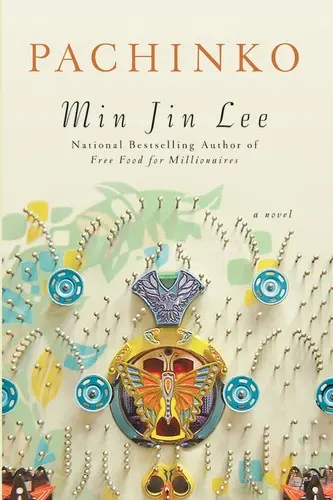
Pachinko
Four generations of a Korean family in Japan, illuminating one of the great overlooked histories of the 20th century: ethnic Korean persecution in Japan. Lee writes with the sweep and moral seriousness of the classic immigrant novel. The Apple TV+ adaptation introduced it to millions more.
The pacing collapses in the back third, and readers who rate the opening near perfect describe the same book dropping sharply once the timeline starts skipping years. Later characters get a page or two before vanishing entirely. Critical reviews push back on the beautifully-written praise, insisting it is “not an epic, beautiful tale” but something “simple, often unfocussed,” with repeated physical description as a tic. A critic goes further, writing that “the reader is increasingly shaken-awake to the writing process” rather than absorbed by it. The omniscient narrator hops between heads mid-scene, and major events including a death arrive secondhand.
The case for it and the rest of the canon open with Pro.