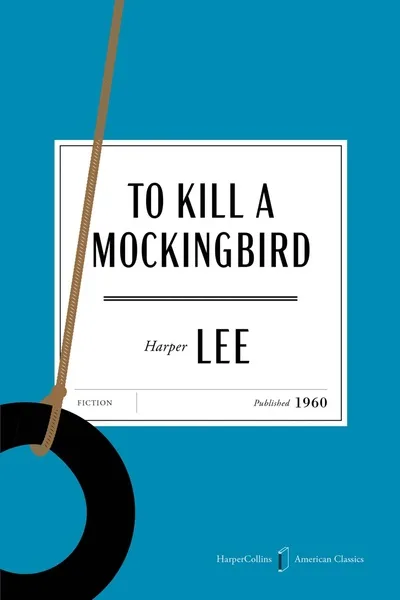
To Kill a Mockingbird
Decide its fate
The record
Time
An eveningA season320 pages, about 6 hours: about the length of a typical book on the shelf.
Getting in
Walk right inSteep climbThree readers found the opening chapters slow; the pace was said to improve once the trial begins.
What it gives
Plot and actionIdeas to live byIn 15 reviews from critics and book blogs, 4 credit the plot and 14 credit the ideas or a change in how they live.
One of a kind
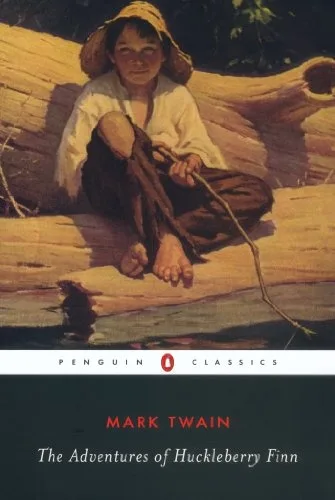
Others do thisNothing else doesThe New Republic argues Huckleberry Finn treats the same subject with more moral seriousness; it is on the shelf at 316 pages.
The case for it
on Atticus as father
“he’s always hyperaware of showing his children all the upstanding ways to behave.”
William Giraldi · The New Republic, 2015 on the courtroom scenes
“the courtroom sections remain some of the most memorable scenes in American fiction.”
a book blog on the pacing
“The pacing is terrific, and the first-person voice is remarkably modern.”
five stars · a Substack review on the coming of age
“This coming of age story is an easy read, yet imbued with deeper importance.”
five stars · a book blog
The case against
on the Black characters
“her African-American characters are like one-dimensional. They’re not that deep.”
James McBride · NPR, 2010 on the trial’s arrival
“The trial doesn’t even really make an appearance until the last third of the book”
four stars · a Substack review on Tom Robinson’s story
“much about the history of the Finch family and very little about Tom Robinson’s life”
Barbara Schultz · Common Sense Media, 2026 on the pace
“the pace felt a little slow, especially in the beginning.”
a book blog