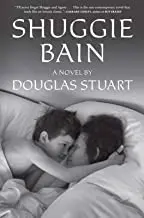
Shuggie Bain
A boy's fierce, bewildered love for his alcoholic mother in Thatcher's Glasgow. Stuart's debut is devastating in the specific way that only deeply personal novels can be, rooted in lived experience and radiating outward into a portrait of social abandonment and queer childhood.
Agnes drinks, dries out, and relapses in a loop that runs for four hundred pages, and several readers call the effect static rather than escalating, the story stalled rather than developing. One reviewer sums up the fatigue bluntly: “Shuggie Bain turned into johnny one-note.” The prose draws its own complaint; one review opens by simply objecting that “there were too many sentences in this book,” and readers who don’t take to the density call it overwritten, front-loaded with description at the expense of momentum. A widely shared view argues “the writing falls under the weight of its story,” with suffering standing in for actual characterization. Even the title takes fire: some argue “this novel shouldn’t have been titled Shuggie Bain” since Agnes, not her son, carries the book. The early assault against her is graphic enough that several readers nearly abandoned the book at the outset.
The case for it and the rest of the canon open with Pro.