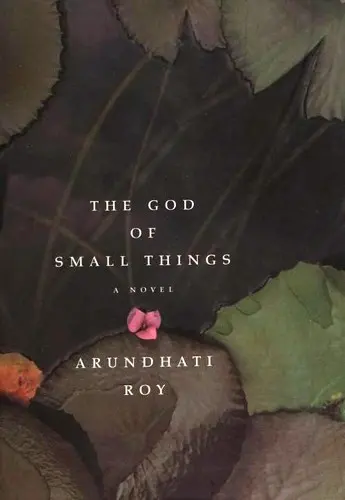
The God of Small Things
Roy's 1997 debut (her only novel for two decades) has physical texture in every sentence; the prose bends and repeats like memory. A love story that cannot be told straight because it destroyed everyone it touched. Caste, history, and the cruelty of small injustices haunt every page. It won the Booker.
The book announces its tragedy so early and so often that arrival adds nothing, and "the timeline was disjointed, often skipping ahead followed by flashbacks" is the standard report from the first eighty pages. The invented compounds and capitalized refrains wear out their welcome, "self-conscious and precious" in one reader's phrase, with "overuse of metaphors and adjectives" doing the rest. The twins themselves come out thinner than the adults around them, since "side characters show more emotions and development than the main characters." And a serious caste critique argues Velutha exists as tragic spectacle for upper-caste readers, suffering "sketched by savarna artists in colours that reek of tragedy."
The case for it and the rest of the canon open with Pro.