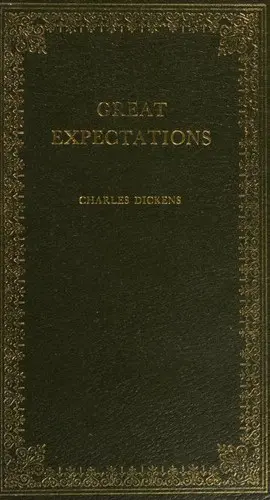
Great Expectations
Decide its fate
The record
Time
An eveningA season482 pages, about 10 hours: the length of 1.5 typical books on the shelf.
Getting in
Walk right inSteep climbFour readers report a slow start that lasts through the first half or longer.
What it gives
Plot and actionIdeas to live byIn 11 reviews from critics and book blogs, 4 credit the plot and 5 credit the ideas or a change in how they live.
One of a kind
Others do thisNothing else doesTwo book blogs set it against Oliver Twist and David Copperfield, Dickens’s other novels about a rising orphan.
The case for it
on Joe Gargery
“And this is even more true of those two great figures in the tale which stand for the English democracy. For, indeed, the first and last word upon the English democracy is said in Joe Gargery and Trabb’s boy.”
G. K. Chesterton · Appreciations and Criticisms of the Works of Charles Dickens, 1911 on Mr Jaggers
“Mr. Jaggers, Pip’s guardian, is this perfect combination of terrifying and coolly hilarious.”
a book blog on Wemmick’s friendship
“I found his relationship with Wemmick especially entertaining.”
a book blog on the writing
“The writing is marvellous, changing effortlessly between tones.”
a book blog
The case against
on the length
“if it is considered too long, too intricately composed for current attention spans”
a Substack review on the page count
“He ended up with 600+ pages about the (contradictory) concepts of morality and status”
a book blog on the middle section
“the plot slowed in the middle to go off on some tangents”
five stars · a book blog on the pace
“It takes a long time to get through.”
a book blog