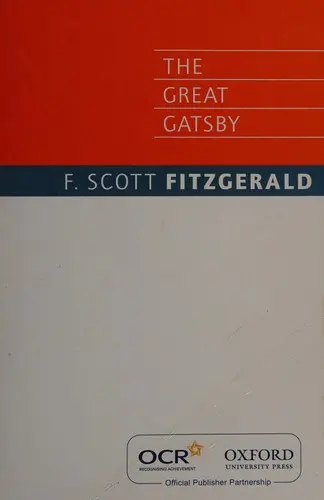
The Great Gatsby
Decide its fate
The record
Time
An eveningA season180 pages, about 4 hours: half the length of a typical book on the shelf.
Getting in
Walk right inSteep climbTwo readers found the opening chapters slow; one stopped reading, the other says it improves once Gatsby and Daisy meet.
What it gives
Plot and actionIdeas to live byIn 10 reviews from critics and book blogs, one credits the plot and 3 credit the ideas or a change in how they live.
One of a kind
Others do thisNothing else doesReading lists from TCK Publishing and Blinkist pair it with The Sun Also Rises, on the shelf at 249 pages.
The case for it
on the green light
“green light symbolizes his unattainable dream, hope, and the illusion that success can buy happiness.”
Sophia Lisovskiy · The Plant, 2025 on the passages
“an extraordinary novel, with passages that should be read aloud.”
Joan Baum · WSHU, 2025 on its themes
“Great Gatsby is about love and about despair and about ideas and foolishness and pride.”
a book blog on the prose
“it’s an absolute joy to read and listen to simply for its prose.”
four stars · a book blog
The case against
on the length
“Even though it was a quick read, it was still too long.”
a Substack review on the pacing
“The pacing was slow. Very slow.”
four stars · a book blog on the second act
“Gatsby doesn’t even appear until the Second Act.”
a book blog on the buildup
“I personally did not think there was enough buildup or suspense.”
a book blog