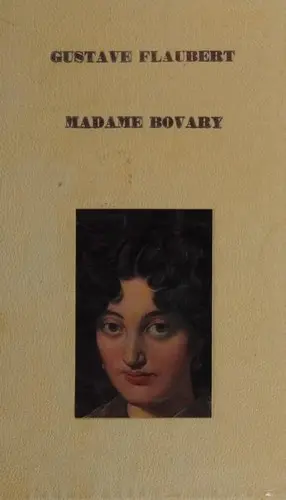
Madame Bovary
Decide its fate
The record
Time
An eveningA season351 pages, about 7 hours: about the length of a typical book on the shelf.
Getting in
Walk right inSteep climbThree first-hand reviewers report slow going in the first twenty to one hundred pages, before the plot settles on Emma.
What it gives
Plot and actionIdeas to live byIn 19 reviews from critics and book blogs, none credit the plot and 10 credit the ideas or a change in how they live.
One of a kind
Others do thisNothing else doesA book blog and four commenters set it beside Anna Karenina, on the shelf at 838 pages, one preferring Tolstoy’s larger cast.
The case for it
on Monsieur Homais
“Homais’ such a well-done character that you can almost feel him leaping off the page”
a Substack review on the opening line
“It’s arguably the world’s most famous last-minute revision of a canonical text’s opening line”
Birger Vanwesenbeeck · Los Angeles Review of Books, 2016 on the irony
“the irony came on hard and fast, like winter in the northeast”
a Substack review on the phrenological head
“filled with sardonic observations, as in the scene where Charles cries under the phrenological head”
Dorothy Reno · Washington Independent Review of Books, 2017
The case against
on sending Berthe away
“she farmed out her child to a neglectful wet nurse, leaving little Berthe unloved”
a book blog on Emma Bovary
“We do not inhabit Emma Bovary at all.”
a book blog on the pace
“these slower ways all amount to a story that plods rather than races along”
a book blog on the heroine
“I couldn’t warm up to a novel that so mercilessly depicted its heroine”
Wendy Smith · Kirkus Reviews, 2010