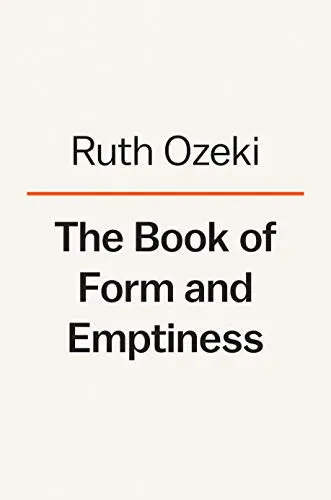
The Book of Form & Emptiness
A young boy begins to hear objects speak after his father's death. Ozeki's novel about grief, hoarding, mental illness, and the magic of books is genuinely strange and genuinely warm. The metafictional elements (the book itself is a character) could be precious but instead feel earned.
At roughly 560 pages, The Book of Form & Emptiness draws the same complaint from reader after reader: it “could have been 200 pages shorter without losing any gravity.” The Book-as-narrator device that admirers love strikes other readers as an intrusive nag, and one reviewer says the story itself “never really took off” once the plot settled into its middle stretch. The Zen framework Ozeki, herself an ordained priest, builds the book around lands as pedantic for some, and one reader blames “the pedantic 'Zen' sauce and the magical realism turned me off” for costing the book a star. Grief, hoarding, mental illness, and consumerism all crowd the same five hundred pages, testing patience even among readers who admire Ozeki's ambition.
The case for it and the rest of the canon open with Pro.