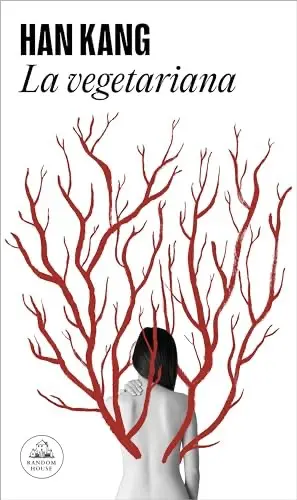
The Vegetarian
A triptych about violence, desire, and a woman's body in revolt. Han Kang's English breakthrough shattered Western assumptions about Korean literature and won the 2016 International Booker Prize. Her 2024 Nobel retroactively confirmed this as a canonical text of the period.
The flip side of that structure is a real complaint: one reader flatly calls the protagonist a prop for three other people’s stories, leaving the book’s actual subject its emptiest character. Every man in it reads as flatly repugnant with no counterweight, so the indictment feels foregone rather than earned scene by scene. Detractors point to a “lack of straightforward communication between all of the characters” as evidence the withheld explanation is a flaw dressed up as ambiguity, and say the read “did not match my own reading experience” the reviews promised. A critic goes further, arguing the book “creates an awkwardness at the limits of comprehensibility.” And the translation is its own dispute, with documented invented lines, so readers cannot be sure whose sentence they admired.
The case for it and the rest of the canon open with Pro.