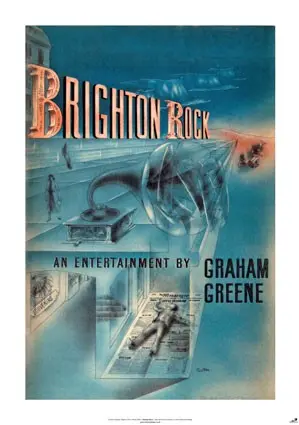
Brighton Rock
Decide its fate
The record
Time
An eveningA season361 pages, about 7 hours: about the length of a typical book on the shelf.
Getting in
Walk right inSteep climbTwo readers report losing track of the gang and its aliases in the opening chapters.
What it gives
Plot and actionIdeas to live byIn 12 reviews from critics and book blogs, 5 credit the plot and 8 credit the ideas or a change in how they live.
One of a kind
Others do thisNothing else doesNo reviewer names another book that does what this one does.
The case for it
on the title
“the title, Brighton Rock, is a metaphor for original sin”
five stars · a Substack review on the pace
“the pace, right up to the thrilling climax, is just perfect.”
five stars · a book blog on Ida Arnold
“Ida stole the show for me and every chapter with her in was guaranteed”
a book blog on the Catholic theme
“Brighton Rock that pointed me toward joining the Roman Catholic Church”
Jon M. Sweeney · America Magazine, 2024
The case against
on the style
“I don’t particularly enjoy Greene’s style of writing”
a book blog on Pinkie Brown
“Pinkie is a character I’d like to forget as soon as possible!”
four stars · a book blog on the length
“For this type of thing, overlong and occasionally repetitive, with some unconvincing elements.”
Kirkus Reviews, 1938 on the tone
“reading it through a layer of ice”
three stars · a book blog