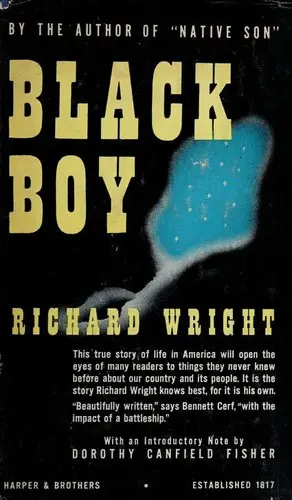
Black Boy
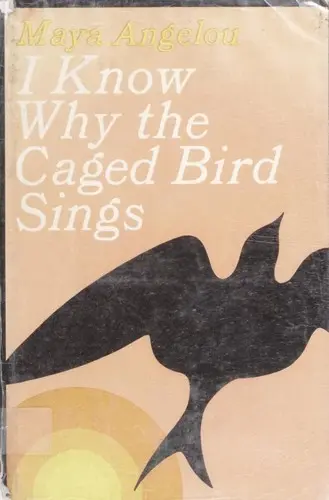
Wright's account of growing up Black in the Jim Crow South is a classic of American autobiography: raw, furious, and unsparing about both white racism and the internalized damage it causes. Together with Douglass and Angelou, it forms the essential American memoir of racial survival.
The book splits into two movements, and the second one costs it readers. Once the material shifts from Mississippi family scenes to Chicago Communist Party politics, attention drops sharply, and some readers compare the narration unfavorably to Ellison’s Invisible Man on the same ground, judging the voice thin: “the narrative voice is a bit lacking,” as one puts it. Others go further, calling “the writing, in my opinion was inferior,” or summing up the whole book as “less interactive, less organic, and to some degree, less interesting” than expected. The printed ending, several note, was reshaped at the publisher’s request into a few pages of noticeably different, more abstract uplift. Wright’s own habit of compositing scenes for dramatic effect leaves the book’s status as strict autobiography an open question.
The case for it and the rest of the canon open with Pro.