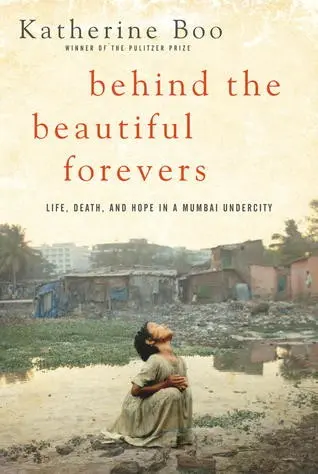
Behind the Beautiful Forevers: Life, Death, and Hope in a Mumbai Undercity
Boo spent three years in Annawadi, a slum beside Mumbai's international airport, reporting on the lives of garbage sorters, scam artists, and families crushed between corruption and aspiration. The book reads like a novel but every detail is documented. Its central insight is brutal: the poor don't fail because they lack ambition. They fail because the systems around them are rigged.
The recurring serious complaint is how Boo can know private thoughts in such granular detail, until for some “these people don't seem to be real.” Several call it repetitive, the same beats about corruption recurring past new information. The number of residents tracked in parallel overwhelms some, until the main character ends up being the slum itself. Critical readers report an odd emotional flatness given the material, calling it “disjointed and strangely unaffecting” and admitting surprise that “it didn't disturb Me more.” And some object to an American outsider narrating and profiting from Indian poverty.
The case for it and the rest of the canon open with Pro.