Blood in the Machine: The Origins of the Rebellion Against Big Tech
Decide its fate
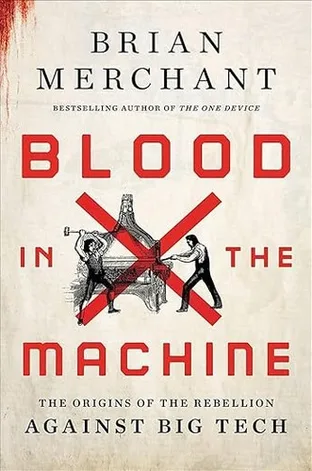
Two centuries of slander, reversed. The textile workers who broke machines in 1811 knew what they were doing: "They tried to get factory owners to adopt machines that would make their lives easier," an admirer notes, and swung hammers only after every fair offer was refused. Short chapters, each headed with a single name (the organizer George Mellor, an informant called B, Lord Byron defending the rebels in Parliament), and it "reads almost like historical fiction." One reader hauls the argument into the present: "Don't say robots are coming for your jobs. Your bosses are coming for your jobs." Merchant picks a side, and since the owners won and wrote the law, "the book works better as a polemic than it would have as a neutral, scholarly retelling of history."
Four hundred ninety-six pages, and one reader figures it "could've been ⅔ the length without losing much at all." The middle grinds through raids, trials, and troop movements, with a cast so crowded Merchant puts a glossary up front, and you'll need it: "there were simply far too many Williams to keep straight on my own." He never doubts his own team either: "the bias the author has creates for him a blind spot when he writes about the other stakeholders," the small manufacturers ruined right alongside them, the buyers of cheaper cloth. And the modern chapters, finding no real machine-breaking today, settle for union drives, podcasts, and a detour through Andrew Yang's campaign, in the same breezy tech register the book exists to attack: "chatty pop-sci style becomes distracting."