The Education of Henry Adams
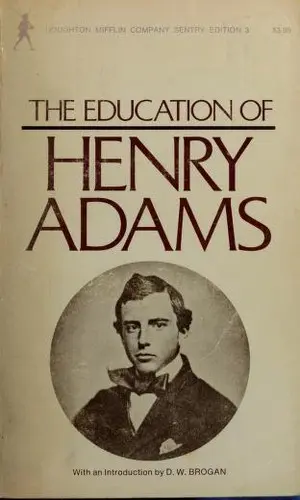
Written in the third person as a study of failure (how the grandson of presidents was wholly unprepared for the modern world), this is among the most intellectually restless books in the American tradition. Adams grapples with the shift from medieval unity to modern multiplicity with unprecedented sophistication.
The London diplomacy chapters are “a long litany of names that have no bearing or interest,” written as though only his own circle would read it, and even admirers concede “Time has not been kind to Adams' style.” His insistence on his own failure wears thin fast: “the author's insistence upon his ignorance became equally tiresome,” and “the third-person narrative gets old quickly, the whining gets old even faster.” He skips twenty years outright and never names his wife's suicide. His asides about Jews read as real prejudice. And the closing theory of history keeps “popping like soap bubbles leaving nothing but air,” leaving one critic on “an overrated man and a much overrated book” and one reader on “one of the great American autobiographies, my ever-loving foot.”
The case for it and the rest of the canon open with Pro.