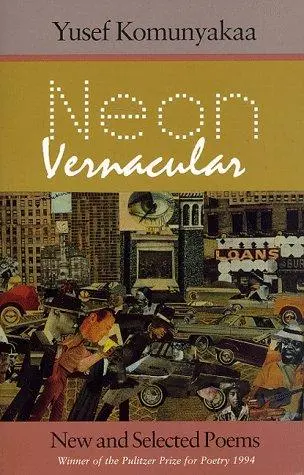
Neon Vernacular
Komunyakaa's Pulitzer-winning collected and new poems span his Vietnam War experience (Dien Cai Dau, 1988), his Louisiana childhood, and jazz as a metaphysical system. He is the great African American poet of the war poem; his Vietnam poems are the best of that war by an enormous margin, combining blues rhythm, surrealist image, and a moral seriousness that never becomes preachy. "Facing It," his meditation on the Vietnam Veterans Memorial, is among the most perfect short poems in American literature.
Readers coming for a focused Vietnam collection hit a mismatch first: “the description of this collection on Goodreads is WILDLY inaccurate,” one warns, since the book actually stitches together seven-plus earlier collections spanning decades. Inside that sprawl, more than one reader flags recurring descriptions of women as “objectifying or reductive,” language that “pulled me out of the reading experience.” The bebop-inflected, surrealist pieces that dazzle on a first pass “wear thin quickly” on a full read, and the social-commentary poems tip toward “overwrought and over-done” for some. Quality swings with the source book, so a reader has to sift past weaker eras to reach the Vietnam-war poems everyone agrees hold up.
The case for it and the rest of the canon open with Pro.