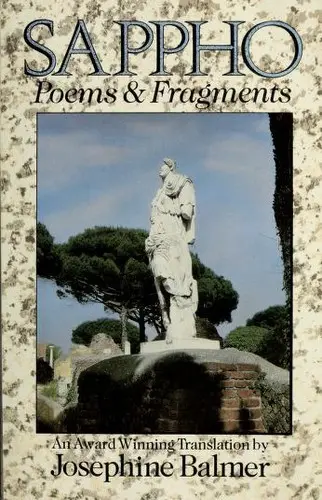
Poems and Fragments
Only a few complete poems and hundreds of tantalizing fragments survive, yet they constitute some of the most searingly intimate writing in human history. Sappho invented the lyric as personal utterance: desire, jealousy, longing, and the body's knowledge treated as subjects worthy of serious literature. Anne Carson's *If Not, Winter* is the definitive modern translation.
Scarcity is the first wall a reader hits: many fragments run to a handful of words, and one reviewer sums up the whole problem as “there's just not enough of it” to carry a reading experience alone. Carson's choices draw the sharpest anger. One fan of the poems still admits, “I'm loving Sappho's poetry immensely, but Anne Carson is pissing me off,” pointing to her habit of “translating desire for an undetermined gender as 'boy.'” Others find Carson's diction too contemporary and prefer Mary Barnard's plainer, older voice instead. No English version, fans and critics agree, can carry over the meter and music that built Sappho's reputation in the first place, so even a strong edition can feel like it undersells the poet.
The case for it and the rest of the canon open with Pro.