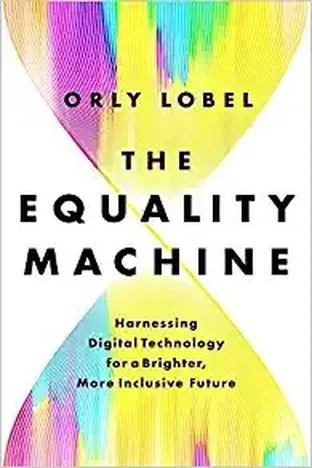
The Equality Machine: Harnessing Digital Technology for a Brighter, More Inclusive Future
Decide its fate
Every AI book on the shelf right now sells you doom or hype. This one argues from a mechanism instead: an algorithm that discriminates can be audited and retrained, while, as one reader puts it, "You can't easily 'reprogram' a person entrenched in societal prejudices." The audits turn up "loan approvals skewed by geography, medical diagnoses influenced by race," and eBay sales where "women receive only 80% of what men earn for selling an identical item," each bias caught in the numbers where a human evaluator missed it. A Yale law journal gave the book its own symposium, where one professor extends the argument into criminal sentencing and writes, "I am fully on board with this message."
Three hundred and sixty-eight pages of law review article stretched into a trade hardcover. "This felt more like an academic thesis than an actual book," one reader writes, data stacked on data where a narrative should be. The frame has a hole in it: an author cataloguing everyone else's blind spots who, the same reader notes, "talked extensively about biases but failed to consider their own." The scholars who read it closest hit the same wall, that "Lobel does not go far enough in challenging technological innovations that further the class divide": her Fiverr pages flag the pay gap between men and women, then never ask whether calling those workers contractors deserves a sentence. Even a sympathetic reader found her actual fixes "not really convincing."