The Bacchae
Dionysus arrives in Thebes and the city's rational king tries to suppress his cult. The god's revenge is total and grotesque. Euripides wrote it in exile near the end of his life, and it's his most disturbing work: a play about what happens when a society denies the irrational.
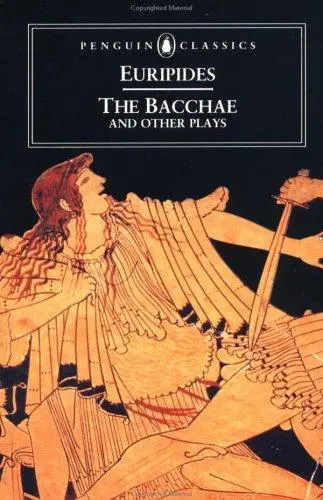
The Bacchae runs on archaic, ritual-heavy language and dense choral sections that lose readers used to prose narrative; more than one reader loses track scene to scene, admitting flatly “I have no idea what was going on tbh.” C.K. Williams’s free-verse triads strike some as a formatting gimmick, one reviewer going further and calling the result a version that “turned a classic play into pseudo-avant-garde tripe.” The surviving text is damaged near the end, complicating the late scenes, and anyone without background on the Dionysus cult needs an introduction to follow what the ritual stakes actually are. At least one reader pushes back on any devotional reading, objecting that “Gods should not be like mortals in temper.” A few just land on a confusing edition and never recover, one baffled that “I don’t know why Elvis’s mugshot is on the cover either.”
The case for it and the rest of the canon open with Pro.