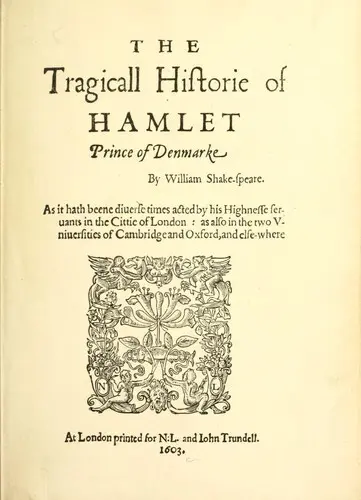
Hamlet
Shakespeare's longest play and probably the most performed work in any language. A prince who thinks too much, a ghost who demands action, and a court rotting from within. It invented the modern interior monologue on stage. Four centuries on, every actor still wants a crack at the part.
Hamlet’s delay is the single loudest complaint among unhappy readers, and plenty flatly reject the tragic-hesitation defense. “His inaction defines him as a tragic character,” runs the standard line, and one reviewer answers that “Hamlet is one of the most idiotic and self-obsessed characters in creation.” Another says flatly, “Hamlet just infuriates me far too much,” and never comes around to the usual defense. Early Modern English compounds the trouble: several readers say they needed an annotated edition just to follow the dialogue, and reading the text cold, without ever having seen a production, leaves the play dragging on the page. A weak or miscast staging can sink even a reader who likes the text going in, which puts real weight on which film you land on first, Branagh’s uncut four hours or Zeffirelli’s trimmed, more accessible cut.
The case for it and the rest of the canon open with Pro.