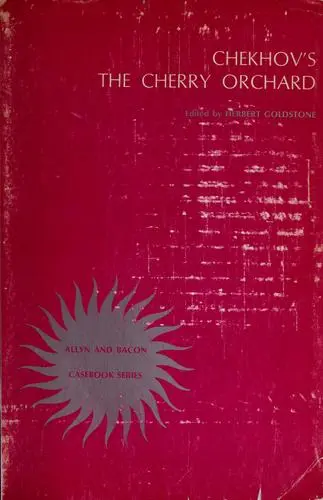
The Cherry Orchard
An aristocratic family loses their beloved estate because they can't adapt to a changing Russia. Chekhov called it a comedy; Stanislavsky staged it as tragedy. That argument has never been settled, which is part of the play's genius. It premiered months before Chekhov's death.
A cast this large is the largest complaint against The Cherry Orchard: readers lose the thread among so many named characters and grow impatient with the minor ones before the four acts are through. The family’s inaction irritates plenty of readers too. Nobody moves to save the orchard, and one reviewer describes the “constant whining of ALL the characters” rather than anything resembling tragic paralysis. Another admits flatly, “By the end I couldn’t care less about the outcome.” A weak translation compounds the problem: one production review notes dialogue that “felt watered down from the complexity and nuance” of the original, leaving lines that read flat in English. Read cold, without staging to carry the tone, the play can feel inert on the page, four acts of people talking around the one decision that matters instead of making it, and readers who know Chekhov’s other work tend to rank this one below Three Sisters.
The case for it and the rest of the canon open with Pro.