The Sound and the Fury
Decide its fate
The record
Time
An eveningA season358 pages, about 7 hours: about the length of a typical book on the shelf.
Getting in
Walk right inSteep climbSeven reviewers report difficulty in the opening section, where Benjy, 33, narrates without chronological markers.
What it gives
Plot and actionIdeas to live byIn 10 reviews from critics and book blogs, none credit the plot and 6 credit the ideas or a change in how they live.
One of a kind
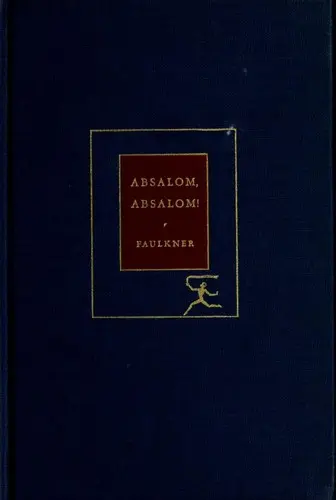
Others do thisNothing else doesCrikey puts it beside Ulysses as difficult modernist company; Faulkner’s own Absalom, Absalom on the shelf runs longer at 378 pages.
The case for it
on Jason’s villainy
“The third brother, Jason Compton, remains one of my favourite characters in fiction”
a book blog on Dilsey’s role
“Dilsey, who stands out as a moral anchor amid the madness.”
a book blog on Caddy’s absence
“the daughter Candace (Caddy) is not the narrator of any part here”
a book blog on the Easter service
“overcame the harsh, ugly, argumentative language was in the final chapter during the Easter service.”
a book blog
The case against
on the opening pages
“We are introduced to an avalanche of characters in the first dozen pages”
David Latham · Crikey, 2018 on the dialect
“a nearly impenetrable mass of old school southern dialect.”
a Substack review on the long chapters
“the long chapters paired with the lack of context only made it more confusing.”
a book blog on Benjy’s chapter
“this chapter is the most difficult to read and understand, as Benjy’s mind flits about”
a book blog