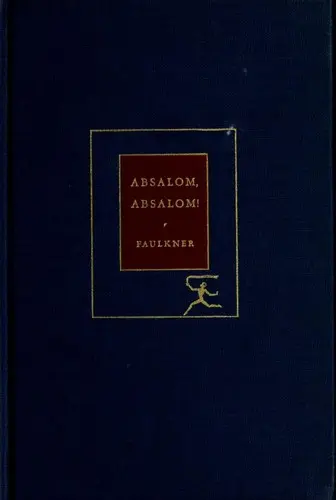
Absalom, Absalom!
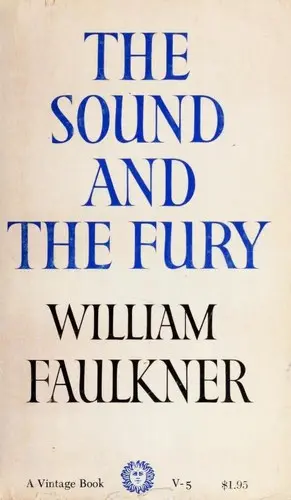
Many critics rank it above The Sound and the Fury. Competing, contradictory narrators try to reconstruct the story of Thomas Sutpen, and the impossibility of knowing history becomes the subject itself. The style is nearly impenetrable and absolutely necessary. It contains Faulkner's most famous line about the South: "The past is never dead. It's not even past."
The first fifty pages are where people quit, unable to tell which narrator is speaking or which decade they are in. The sentences pile up "adjective on top of adjectives" and invented hyphenated compounds until one reader concludes it "reads like old Willy was sniffing glue." Readers build family trees to track the Sutpens across the contradictory retellings, and the retellings themselves start feeling like repetition rather than revelation, a "patchwork narrative structure" restating scenes it has already covered twice. The 1936 reviews said the same thing, that Faulkner preferred puzzles to storytelling. "I flogged myself through it," one reader reports, which is a description of labor rather than reading.
The case for it and the rest of the canon open with Pro.