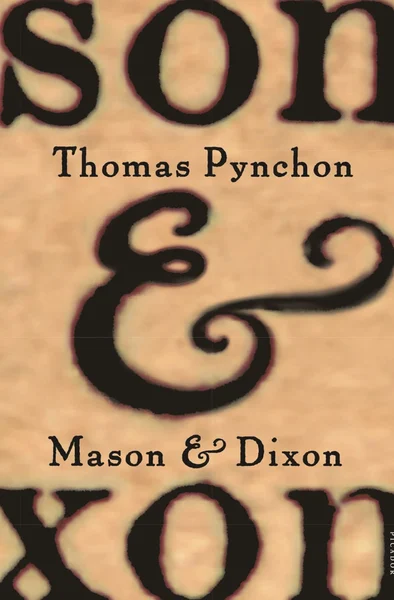
Mason & Dixon
Thomas Pynchon · 1997
Charles Mason, an astronomer, and Jeremiah Dixon, a surveyor, are sent to draw the boundary line that would come to carry their names across colonial America. Pynchon frames their commission as a tale told in 1786 by the Reverend Wicks Cherrycoke to his family on a winter evening, and stretches it back across the decades before the Revolution. The whole of it, seven hundred pages and more, is written in a pastiche of eighteenth-century English, archaic spelling and midsentence Capitals included.
Literary Fiction · the Pro canon
The case for it and the rest of the canon open with Pro.
if this one calls to you, so will these →