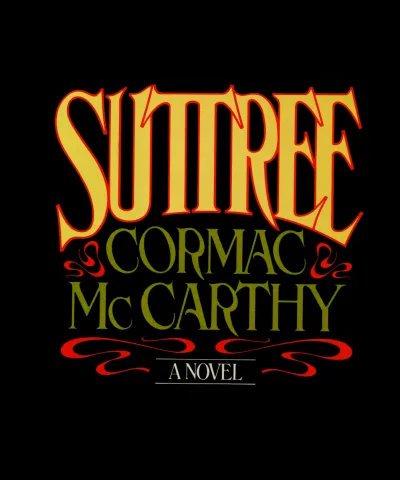
Suttree
Cormac McCarthy · 1979
Cornelius Suttree walks away from a well-off Knoxville family to live on a houseboat among the river's drunks, prostitutes, fishermen, and ragpickers. McCarthy spent some twenty years on this 1979 novel, his most personal and by far his funniest: a comic elegy for a skid row he knew firsthand, thick with baroque Faulknerian sentences and a cast of holy grotesques, Gene Harrogate the melon-defiling country boy chief among them. The plot is mostly weather and disaster; the pleasure is the prose and the company. Cult readers call it his masterpiece.
Literary Fiction · the Pro canon
The case for it and the rest of the canon open with Pro.
if this one calls to you, so will these →