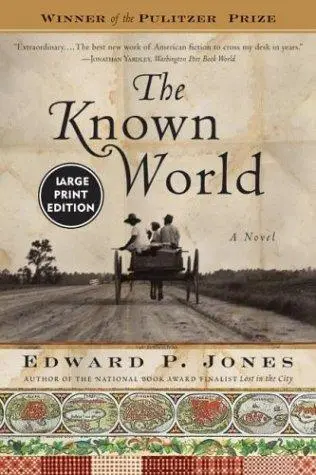
The Known World
Edward P. Jones · 2003
Black slaveholders in antebellum Virginia. Jones's 2003 novel made visible a historical reality that most Americans had never confronted: that some free Black people owned slaves. The prose is quiet and omniscient, moving through decades in a paragraph. Won the Pulitzer. Jones, a famously private writer, spent ten years on it after losing an earlier draft in a flood.
Literary Fiction · the Pro canon
The case for it and the rest of the canon open with Pro.
if this one calls to you, so will these →