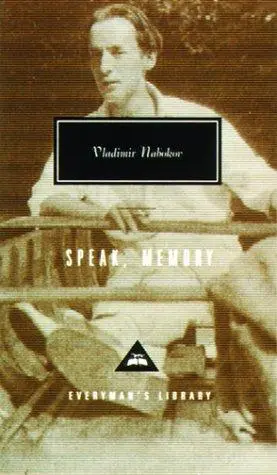
Speak, Memory
The most beautiful prose memoir in English. Each chapter is a self-contained essay, and Nabokov's intelligence turns autobiography into art. The chapter on his governess is as good as anything in the language.
The wealth on display reads to a number of modern readers as tone-deaf rather than nostalgic: the estate's roughly fifty servants draw specific complaint, one reader flagging the picture flatly as “like 40 servants privileged,” the people doing that labor left backgrounded throughout. The dense, clause-heavy prose that wins fans wears other readers down the same way; more than one comparison lands on Melville, and one reader says she was left “reminded of Melville’s obsessive digressions” rather than swept along. Family members surface oddly late, chronology jumps without warning, and the whole aristocratic setting strikes some readers as “eye-rollingly bourgeois” on a modern read. The book also stops in 1940, exactly as Nabokov leaves for America, skipping the novels that actually made him famous.
The case for it and the rest of the canon open with Pro.