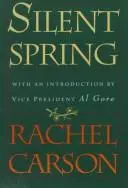
Silent Spring
Carson's meticulous, incandescent account of pesticide damage to ecosystems launched the modern environmental movement and led to the ban of DDT. John F. Kennedy read it in 1962, then summoned his Science Advisory Committee. A book that changed law.
The structure repeats: bird kill after fish kill until “every chapter reads exactly the same,” and one reader quit at 35 percent. The specifics have dated, the pesticides and agencies she names now renamed or gone, so stretches read as history. It is “a diatribe of complaints” by design, a lawyer's brief with no real reckoning of the malaria-control tradeoff. The health claim she leaned hardest on, that DDT causes cancer, did not hold up as stated, which makes some readers distrust the health argument even where the ecology stands. Her “unconditional support of biological control” is naive about introducing predators, and the “surprisingly dated militaristic language” sits oddly against her stated gentleness.
The case for it and the rest of the canon open with Pro.