Metamorphoses
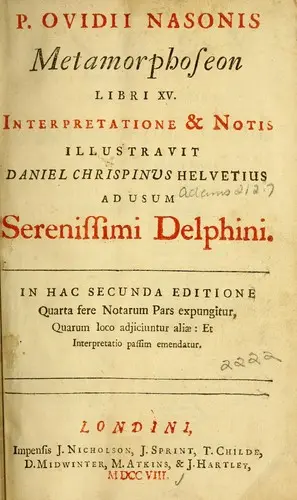
Fifteen books of transformations told with such virtuosity and psychological precision that they feel less like mythology than reports from a dream that keeps dreaming itself. Shakespeare, Milton, and Ted Hughes all returned here obsessively. The stories of Orpheus, Daphne, Narcissus, and Pygmalion live in the bloodstream of Western art.
The density of sexual violence is the sticking point most readers name, one counting roughly 50 incidents of rape or attempted rape across the poem; by the later books it numbs more than it shocks. At least one reader stopped around the halfway mark, citing “too much depravity and immorality for me” as reason enough to quit. The genealogical catalogs and rapid-fire cast make it easy to lose track of who's who without stopping to check notes. Translation choices split the complaints further: older, ornate versions wear thin over hundreds of pages, while newer ones catch the opposite charge, a critic calling one edition's jokes “cutesiness raised to the highest power” and another reader saying the tone “makes the book almost unreadable for me.”
The case for it and the rest of the canon open with Pro.