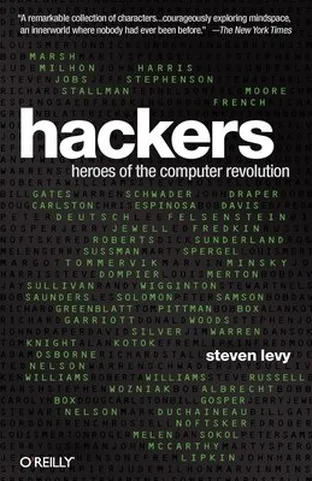
Hackers: Heroes of the Computer Revolution
Decide its fate
Count the careers this book started. One reader says it "changed my life when I read it in high school" and followed it into computer science as a major; another passes along that "John Carmack said it was the most inspiring book for him," and went back to his own late-night coding. The MIT chapters earn the devotion: the Tech Model Railroad Club sneaking time on the PDP after midnight, Spacewar, the birth of Lisp, until "you'll want to fire up Emacs, dust off Space War." And the fight it records never closed. Free sharing against copy protection in the seventies is open source against DRM now, which is why one reader warns, "The market will replace your values with its own."
Five hundred pages and no room for the women who built the field: "As if the first compiler wasn't written by a woman (Grace Hopper)," one detractor writes, and neither the 1994 nor the 2010 edition went back to fix it. The men Levy lets in get a halo instead of reporting. Picked locks, hardware that vanished from labs, waved off as playfulness, and "He also really gives a pass to some pretty despicable behavior by a lot of the people discussed in the book." The material runs out before the pages do: readers keep advising you to stop after the MIT section, since "The third, about game hackers and Sierra On-Line, is mostly worthless." "It's too long, and, in places, too long-winded, even semi-religious in its fervour."