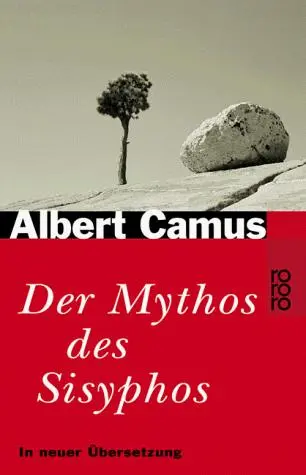
The Myth of Sisyphus
Must we kill ourselves? Camus says no. The struggle itself is enough. The founding text of absurdist philosophy.
The opening chapter draws the most give-up comments of the whole book, readers call it dense and jargon-thick, one saying flatly, “Had to give up after 50 pages.” Others push further, describing the prose as “either an extremely tough read or just plain incoherent babble” rather than merely difficult. Detractors call Camus “in love with his own importance, name-dropping philosophers left and right,” and a review sums up the frustration more bluntly: Camus “gets a little too bogged down in his own verbosity.” The essay never pins down clear criteria for what counts as absurd rather than merely meaningless, leaving the key term to do unexamined work, and some readers think it discards ordinary sources of meaning, friendship especially, just to keep the framework intact.
The case for it and the rest of the canon open with Pro.