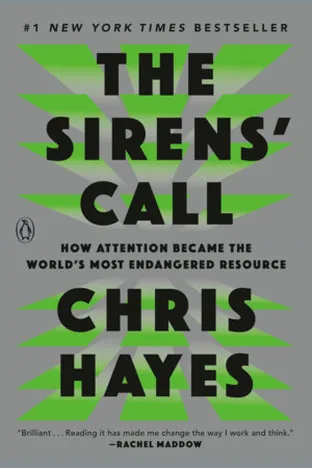
The Sirens' Call: How Attention Became the World's Most Endangered Resource
Decide its fate
Start from the premise that your fraying focus is an economic event, something extracted and sold the way factory owners once bought labor by the hour, and the phones-are-bad genre suddenly looks like it was blaming the worker. Hayes assembles real machinery: Marx on alienated labor, Kojève on recognition, Herbert Simon's warning that an information system only helps "if it listens more than it speaks." The framing runs deep enough that one reader closed the book asking "I think I'm a Marxist now?" Then the theory gets a face: Trump's whole career read as "wanting recognition, instead getting attention, and then becoming addicted." Even a reviewer sick of tech doomerism found "he has a fresh take and looks at the topic from a lot of unique angles."
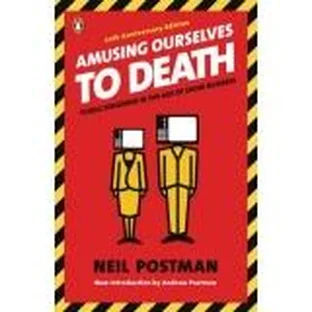
Neil Postman covered this ground in 1985, Johann Hari again in 2022, Tim Hwang and Jenny Odell in between, leaving one detractor a single explanation for this hardcover: "you have to be a pseudo-celebrity or well-known figure to get a book deal." What is actually new "could have been more effectively covered in a deep-dive 5,000-word magazine article." The rest is Trump and Musk, chased at such length that "he himself is guilty of the same traps he warns readers to not fall into," while the closing remedies (print newspapers, basic phones) already read as dated within a year of publication. And the evidence propping up the theory? "some tweet Mr. Chronically Online stumbled across during his research."